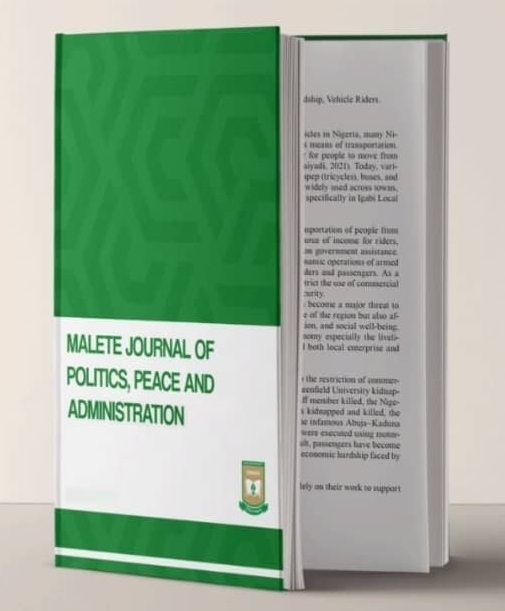
Anti-Corruption Initiatives and Bureaucratic Collaboration: A Critical Reappraisal of Corruption Dynamics in Nigeria
Keywords:
Corruption, Bureaucracy, Civil Servants, Anti-Corruption, Governance, Institutional ReformAbstract
Despite decades of anti-corruption campaigns, Nigeria continues to grapple with deeply rooted corruption, particularly within its public sector. While attention often centres on political elites, this study shifts focus to a less-examined but equally powerful force, civil servants working together in what can be termed “collaborative bureaucracy.” This research critically explores how networks of bureaucrats, bound by mutual protection and shared interests, subtly but effectively undermine anti-corruption initiatives. Through qualitative analysis and documentary review, the study uncovers how these internal alliances help sustain corruption, shield misconduct, and frustrate reform efforts from within. The study found that rather than isolating bad actors, it is systemic cooperation among bureaucrats that creates a resilient environment for corruption to thrive. The findings argue for a rethinking of Nigeria’s anti-corruption strategy, one that not only targets high-profile individuals but also addresses the institutional cultures and collaborative behaviours embedded in everyday bureaucracy. By highlighting these overlooked dynamics, the study contributes to a deeper understanding of public sector corruption and offers insights into more grounded and effective policy reforms.
Downloads
Published
Issue
Section
License
Copyright (c) 2025 Malete Journal of Politics, Peace and Administration

This work is licensed under a Creative Commons Attribution 4.0 International License.